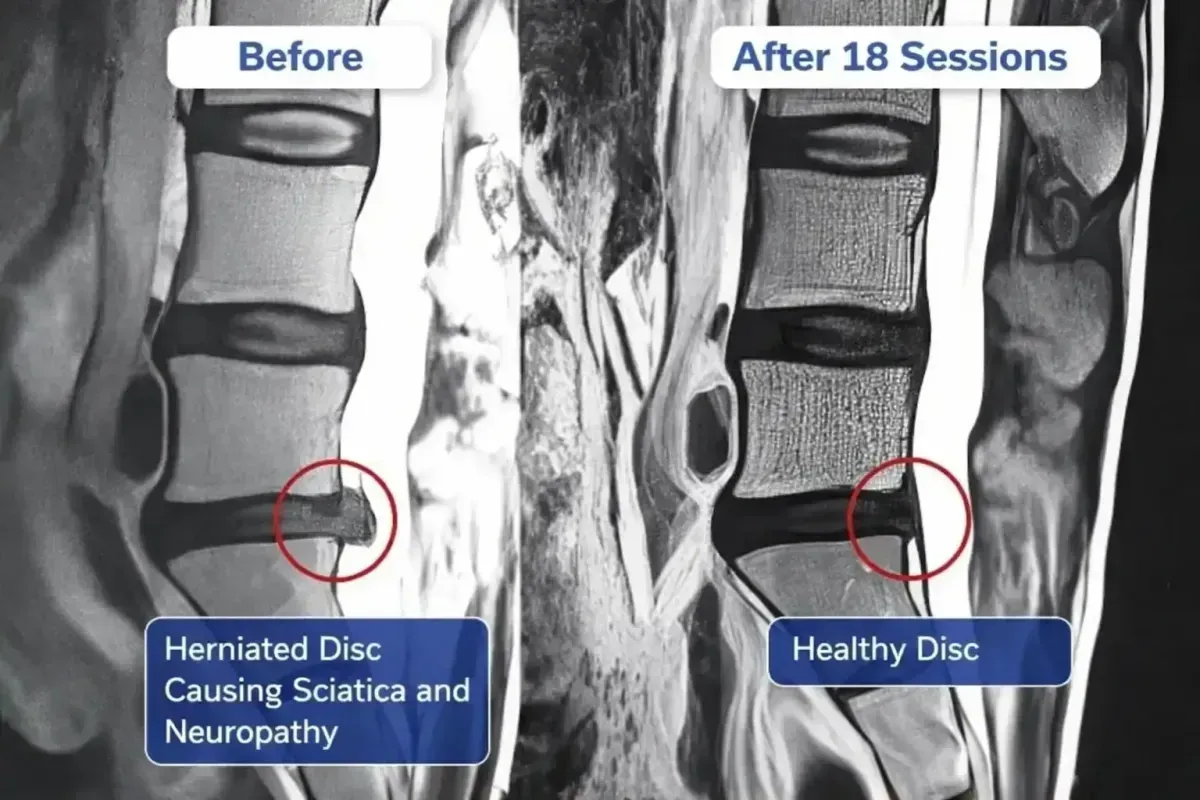
Herniated  and Bulging Disc Solutions in Shrewsbury, NJ

Professional chiropractic team committed to spinal health and patient wellnessIf you're experiencing herniated disc symptoms in Shrewsbury, NJ, you're certainly not alone. The team at Champion Health understands how a herniated disc can interrupt your active lifestyle, from participating in sports to enjoying a walk by the river. Our patients frequently describe sharp pain, numbness down the arm or leg, or sudden weakness that interrupts both work and play. You might notice your herniated disc pain flaring up after lifting, twisting, or spending extended periods sitting or driving through Monmouth County. We listen closely to your unique story and the ways herniated disc pain is limiting your daily life. At our practice in Shrewsbury, we use a combination of spinal decompression, careful adjustments, and supportive therapies to address the root cause of nerve irritation. Our goal is to help you regain confidence in movement and avoid the risks and downtime of surgery. Together, we’ll develop a personalized plan to get you back on track for an active, pain-free lifestyle in our community.

What Chiropractic Care Can Do for Herniated Discs

While experiences differ, many patients in Shrewsbury, NJ report real improvements in their herniated disc symptoms through chiropractic and decompression therapy.
  • Pain Relief Without Surgery: Many individuals experience significant pain reduction and less reliance on surgery or heavy medications following non-invasive care.
  • Restored Mobility: As pressure is removed from nerves, both movement and flexibility may return, making daily tasks and recreational activities possible again.
  • Reduced Sciatic or Arm Symptoms: Numbness, tingling, or shooting pain into the limbs might resolve or decrease as causative disc pressure is addressed.
  • Faster Return to Activity: Our patients often report a quicker, more confident return to work, hobbies, or local events in Monmouth County.
  • Better Prevention: Postural education, ergonomic support, and ongoing care may help reduce the risk of future disc issues and enhance your overall health.

Your Herniated Disc Treatment Process

At our clinic in Shrewsbury, NJ, we take a thorough and patient-centered approach to herniated disc care. Our step-by-step process is designed to clarify concerns and optimize your healing.
  • Comprehensive Consultation: We review your entire symptom history—including injury, work habits, physical activity, and moments when herniated disc pain is at its worst. Your lifestyle and goals guide our recommendations.
  • Detailed Physical Exam: Our hands-on assessment includes neurological checks, muscle strength testing, and special evaluations for nerve involvement. We may review or request imaging to confirm your diagnosis.
  • Custom Care Plan Discussion: We explain the findings and outline our recommended herniated disc solutions—spinal decompression, gentle chiropractic care, and home exercises—all tailored to your needs.
  • Gentle Treatment: Spinal decompression and precise adjustments are used to relieve nerve pressure and support disc healing. Most patients begin to notice changes after the first few sessions, though recovery timelines vary.
  • Continued Support and Monitoring: We schedule regular progress checks and adapt your care plan as you heal. You’ll also receive strategies for home care, posture improvement, and preventing future disc problems.

Frequently Asked Questions

What is a Herniated or Bulging Discs?

A person's disc is made up of ligaments, dense cushioning material and water. This is a simple description, but they serve an important function to cushion the forces of gravity and our body weight movements to protect our central nervous system. They are self contained and highly pressurized to with stand trauma from a car accident or low force gradual movements like sitting all day. Disc injuries occur slowly over time from degeneration or suddenly from a trauma slip and fall. Either way, the end result is a damaged cervical or lumbar disc that can create intense pain down your arms or legs.

How can I tell if I have a Herniated or Bulging disc?

At Champion Health, we perform a complete spinal exam that may include X-rays, MRI and neurological tests to determine the location and extent of the damage to you spinal discs. We will discuss how you were injured and what activities you may have been doing to create your pain. Symptoms you may experience include pain, burning, aching, numbness and tingling sensations in your hands or feet. Once we have diagnosed the location and severity of your disc injury, we will be able to recommend the proper treatment to treat the cause of your pain.

Can Herniated or Bulging disc heal and go away?

Herniated and bulging disc can most definitely heal and get you out of pain. However, the disc heal like any other injury in the body by scar tissue. Scar Tissue is weaker than healthy tissue, so the disc is never as strong as it use to be. Treatment that focuses on creating less pressure on the disc and proper alignment of your spine helps the disc heal without drugs or surgery. At Champion Health, we adjust the spine for better alignment and utilize spinal decompression to directly take pressure off the disc in the neck or low back. This gives the injured disc the proper environment to heal.

How Does a Chiropractor treat a Herniated or Bulging Disc?

At Champion Health, we treat a herniated or bulging disc with conservative care. We include ice, muscle work, chiropractic adjustments and spinal decompression. This combination of treatments are a game changer in helping patients get out of pain and back to their life. The first couple of weeks a patient can expect to experience a dramatic reduction in pain and greater movement. They will sleep better and notice a continual improvement in their symptoms. The adjustment and spinal decompression program of care continues up to 20 visits. At this point a patient can expect much improved reduction in their symptoms. Each patient experience is different and dependent on their diagnosis and response to care.